

Transporting bulk materials is one of the most critical logistics functions in construction, civil works, mining, and resource recovery projects. Materials such as aggregates, soil, demolition waste, and processed recyclables must move safely, efficiently, and in strict compliance with regulations. When bulk transport fails, the entire project can slow down or come to a halt.
This is why choosing the right heavy haulage provider is not a minor procurement decision—it is a strategic choice that directly impacts safety, productivity, and cost control. In Western Australia, where distances are long and operating conditions can be challenging, the importance of professional heavy haulage becomes even more pronounced.
This article outlines the key factors contractors and project managers should consider when selecting a heavy haulage provider for transporting bulk materials. By understanding these factors, businesses can make informed decisions that support smooth operations and long-term project success.
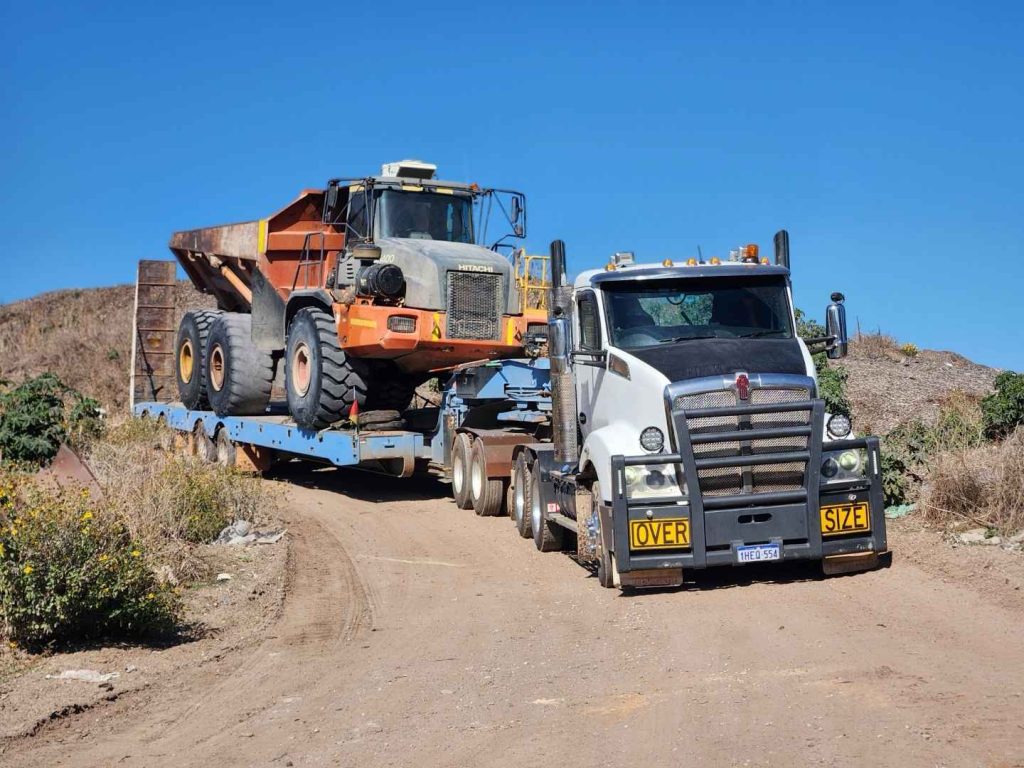
Why Heavy Haulage Matters for Bulk Material Transport
Bulk material transport is the backbone of many major projects. Whether it involves supplying aggregates to a construction site or removing waste materials for processing, heavy haulage keeps projects moving.
Bulk haulage operations typically involve:
-
High volumes of material moved on tight schedules
-
Repeated loading and unloading cycles
-
Long-distance transport across regional routes
-
Strict safety and compliance requirements
A reliable heavy haulage provider ensures that these demands are met without compromising safety or efficiency.
Understanding the Complexity of Bulk Haulage
Bulk haulage may appear straightforward on the surface, but in practice it involves complex coordination. Load weights, vehicle suitability, route conditions, and regulatory limits all influence how transport is planned and executed.
A capable heavy haulage provider understands how to balance:
-
Payload efficiency
-
Road and infrastructure protection
-
Vehicle performance
-
Driver safety and fatigue management
This balance is essential to avoid delays, incidents, or compliance issues.
Experience and Industry Knowledge
One of the most important factors when choosing a heavy haulage provider is experience. Transporting bulk materials requires practical knowledge gained through years of operation in construction, mining, and civil environments.
Experienced providers understand:
-
Common risks associated with bulk loads
-
How to adapt to changing site conditions
-
The logistics demands of large-scale projects
Industry knowledge allows haulage providers to anticipate challenges rather than react to problems after they occur.
Compliance With Regulations
Heavy haulage in Western Australia is subject to strict transport and safety regulations. These rules govern vehicle mass, load dimensions, road access, and operational conduct.
A reliable heavy haulage provider demonstrates compliance by:
-
Operating approved and well-maintained vehicles
-
Using licensed and trained drivers
-
Adhering to permitted routes and conditions
-
Managing documentation and approvals correctly
Government guidance on transport and safety standards can be accessed through official sources such as https://www.wa.gov.au, which provides information relevant to road transport and infrastructure compliance.
Choosing a provider that prioritises compliance reduces legal risk and protects project continuity.
Safety Management and Risk Control
Safety is non-negotiable in bulk material transport. Heavy vehicles carrying large loads pose inherent risks to drivers, site workers, and other road users.
Professional heavy haulage providers implement structured safety management practices, including:
-
Pre-start vehicle inspections
-
Load stability and restraint checks
-
Clear communication protocols
-
Incident prevention and response planning
Strong safety culture is often a direct reflection of a provider’s professionalism and reliability.
Vehicle Fleet and Equipment Suitability
Not all heavy haulage fleets are the same. The suitability of vehicles and trailers directly affects efficiency, safety, and compliance.
When evaluating a heavy haulage provider, consider:
-
Vehicle capacity and configuration
-
Suitability for bulk materials such as aggregates or soil
-
Maintenance standards and reliability
-
Ability to operate across different terrains
A modern, purpose-built fleet reduces downtime and improves transport consistency.
Route Planning and Local Knowledge
Effective route planning is a defining feature of a professional heavy haulage provider. Western Australia’s road network includes highways, regional roads, and access routes with varying load limits and conditions.
Local knowledge allows providers to:
-
Select routes that minimise risk and delays
-
Avoid infrastructure constraints
-
Plan for seasonal or environmental factors
This expertise is particularly valuable for long-distance bulk transport projects.
Operational Reliability and Scheduling
Bulk material transport often operates on tight schedules. Construction and mining sites depend on consistent delivery and removal cycles to maintain productivity.
A dependable heavy haulage provider offers:
-
Predictable transport schedules
-
Clear communication regarding delivery times
-
Capacity to scale operations as project demands change
Reliability in scheduling reduces idle time and supports efficient site operations.
Integration With Project Operations
The best heavy haulage providers work as an extension of the project team rather than a standalone contractor. This integration improves coordination and reduces friction between transport and site activities.
Integrated haulage services align with:
-
Site access requirements
-
Loading and unloading processes
-
Daily production targets
For projects requiring coordinated bulk transport solutions, professional services are available through providers such as:
https://peelresource.com.au/service/heavy-haulage-bulk-transport-western-australia/
Working with an integrated provider simplifies logistics and improves overall project flow.
Environmental and Community Responsibility
Bulk haulage operations can have environmental and social impacts, particularly near urban or sensitive areas. Responsible providers recognise these impacts and plan accordingly.
Best practices include:
-
Minimising dust and noise
-
Reducing unnecessary vehicle movements
-
Respecting local traffic conditions
Environmental and community awareness reflects a provider’s commitment to sustainable operations.
Communication and Transparency
Clear communication is essential when transporting bulk materials at scale. Delays, route changes, or site access issues must be communicated quickly to avoid disruptions.
A professional heavy haulage provider maintains transparency through:
-
Regular updates
-
Clear points of contact
-
Proactive issue resolution
Strong communication builds trust and improves coordination across all stakeholders.
Flexibility and Problem-Solving Ability
No two projects are identical. Weather conditions, site changes, and unexpected delays can all affect bulk transport operations.
The right heavy haulage provider demonstrates flexibility by:
-
Adjusting schedules when needed
-
Deploying additional resources
-
Offering practical solutions under pressure
Problem-solving capability is often what separates average providers from truly professional operators.
Risk Reduction and Long-Term Value
While cost is always a consideration, focusing solely on the lowest price can be a false economy. Poor transport performance can lead to delays, incidents, and compliance breaches that ultimately cost more.
A professional heavy haulage provider delivers long-term value through:
-
Reduced operational risk
-
Improved efficiency
-
Consistent performance
This value becomes increasingly important on large or long-term projects.
Supporting Large-Scale Bulk Transport
Major civil and mining projects often involve sustained bulk transport over extended periods. Providers must have the capacity and systems to support high-volume operations without compromising safety or reliability.
Key capabilities include:
-
Scalable fleet resources
-
Experienced management teams
-
Robust operational systems
These capabilities ensure continuity throughout the project lifecycle.
Western Australia’s Unique Transport Challenges
Western Australia presents unique challenges for bulk haulage, including long distances, remote locations, and varied terrain. Providers with regional experience are better equipped to manage these conditions.
Understanding local operating environments reduces uncertainty and improves planning accuracy.
Evaluating a Heavy Haulage Provider Holistically
Choosing the right heavy haulage provider requires a holistic assessment rather than focusing on a single factor. Experience, compliance, safety, equipment, and communication all contribute to successful outcomes.
When these elements align, bulk transport becomes a reliable asset rather than a source of risk.
Conclusion
Selecting the right heavy haulage provider is a critical decision for any project involving bulk material transport. Professional providers bring experience, compliance expertise, safety management, and operational reliability that support efficient project delivery.
In Western Australia’s demanding construction and mining environment, heavy haulage is more than transport—it is a strategic component of project success. By prioritising professionalism, safety, and integration, contractors can ensure their bulk transport operations contribute positively to timelines, budgets, and long-term outcomes.
Related posts:
 Understanding Heavy Haulage Requirements for Construction and Mining Projects in Western Australia
 How Professional Heavy Haulage Services Improve Safety and Efficiency on Major Civil Projects
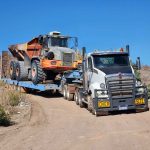 Heavy Haulage: Ensuring Safe and Efficient Transport for Modern Industries
Heavy Haulage Services from Perth to Augusta: Safe, Timely, and Cost-Effective
Heavy Haulage: Ensuring Safe and Efficient Transport for Modern Industries
Heavy Haulage Services from Perth to Augusta: Safe, Timely, and Cost-Effective
 Reliable Construction Material Supply from Perth to Augusta: Sand, Roadbase, Aggregates