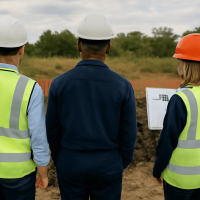

Construction activity across Western Australia continues to expand, driven by infrastructure development, residential growth, and large-scale civil projects. Alongside this growth comes a significant increase in construction and demolition waste. For builders, managing this waste is not simply a logistical task—it is a legal, environmental, and operational responsibility that directly affects project outcomes.
Construction waste disposal in WA is governed by strict regulations designed to protect the environment, ensure public safety, and encourage responsible resource recovery. Builders who fail to understand and comply with these requirements risk delays, penalties, and reputational damage. Conversely, those who apply best practices in waste disposal gain better cost control, smoother project delivery, and stronger sustainability credentials.
This article provides a practical, builder-focused overview of construction waste disposal in Western Australia. It explains the regulatory framework, outlines key responsibilities, and highlights best practices that help builders remain compliant while operating efficiently.
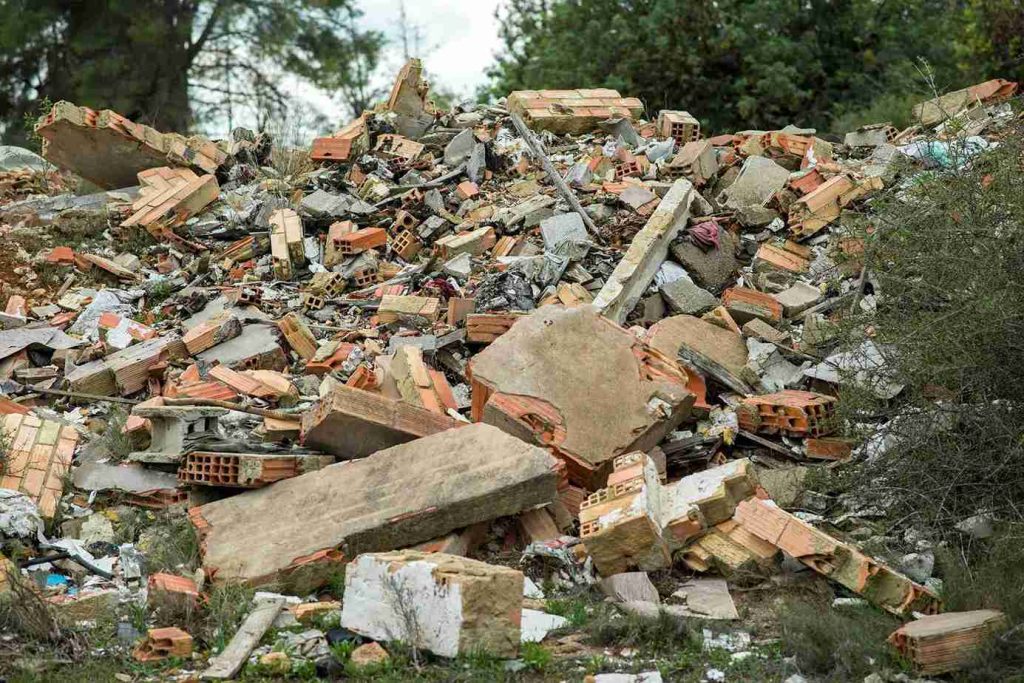
contruction waste disposal
Why Construction Waste Disposal Is a Critical Issue in WA
Construction and demolition waste represents one of the largest waste streams in Western Australia. Materials such as concrete, brick, asphalt, timber, soil, and metals are generated in large volumes on nearly every project.
Improper disposal can lead to:
-
Environmental contamination
-
Illegal dumping
-
Health and safety risks
-
Regulatory enforcement action
-
Increased project costs
WA’s regulatory approach reflects the scale of this issue by placing clear obligations on builders, developers, and contractors to manage waste responsibly throughout the project lifecycle.
Understanding the Regulatory Framework in Western Australia
Construction waste disposal in WA is regulated through environmental legislation, licensing systems, and local authority requirements. Builders are expected to understand how these rules apply to their activities, even when waste handling is outsourced.
At a practical level, regulations focus on:
-
Correct classification of waste
-
Lawful transport and disposal
-
Use of licensed facilities
-
Proper handling of regulated materials
-
Record keeping and accountability
Official guidance on environmental and waste responsibilities is available through government resources such as https://www.wa.gov.au, which outlines regulatory expectations and environmental protection principles across the state.
Builder Responsibilities: What You Are Legally Accountable For
A common misunderstanding is that once waste leaves the site, responsibility transfers entirely to the waste contractor. In reality, builders remain accountable for ensuring that waste is managed lawfully from generation to final disposal.
Builders are responsible for:
-
Correctly identifying waste types
-
Preventing illegal dumping
-
Using licensed transport and disposal facilities
-
Managing regulated and hazardous waste appropriately
-
Ensuring subcontractors follow site waste rules
Failure to meet these obligations can result in enforcement action, even if a third party handled the waste incorrectly.
Common Types of Construction Waste in WA
Understanding the waste streams generated on site is essential for compliance and cost control.
Construction and Demolition Waste
Includes concrete, bricks, asphalt, rubble, timber, metals, plasterboard, and mixed materials. Much of this waste can be recycled if managed correctly.
Inert Waste
Clean soil, sand, and rock that may be reused or disposed of at approved locations.
General Solid Waste
Packaging, food waste, and non-recyclable materials generated during construction activities.
Regulated and Hazardous Waste
Asbestos-containing materials, contaminated soils, tyres, and other regulated substances that require licensed handling and disposal.
Each waste type carries different regulatory requirements, making correct identification essential.
The Importance of Using Licensed Waste Management Facilities
All construction waste in WA must be transported to and processed at licensed facilities approved to accept that specific waste type. Using unlicensed sites is a serious compliance breach.
Licensed facilities provide:
-
Environmental protection controls
-
Approved disposal and recycling methods
-
Regulatory oversight and auditing
-
Waste tracking and documentation
For builders seeking compliant waste disposal solutions, professional services aligned with WA regulations can be found at:
https://peelresource.com.au/service/waste-management/
Working with licensed providers reduces risk and ensures waste is managed responsibly.
Best Practices for Construction Waste Disposal
1. Plan Waste Management Early
Waste disposal should be considered during project planning, not after construction begins. Early planning allows builders to:
-
Forecast waste volumes
-
Identify recyclable materials
-
Allocate space for waste segregation
-
Select appropriate waste partners
Proactive planning reduces reactive decision-making and unnecessary costs.
2. Segregate Waste on Site
Poor segregation is one of the most common causes of compliance failures and increased disposal costs. Mixing recyclable materials with general waste often results in landfill disposal.
Effective segregation involves:
-
Clearly labelled waste areas
-
Separate containment for regulated waste
-
Regular monitoring of waste practices
Good segregation improves recycling rates and reduces disposal fees.
3. Manage Regulated Waste with Extra Care
Materials such as asbestos and contaminated soils require specialised handling. Builders must ensure:
-
Early identification through site investigations
-
Secure containment on site
-
Engagement of licensed removal and transport providers
-
Disposal at approved facilities
Improper handling of regulated waste carries severe penalties and long-term environmental consequences.
4. Ensure Lawful Transport and Disposal
Waste must only be transported by licensed operators and delivered to authorised facilities. Builders should verify:
-
Transport licences
-
Facility approvals
-
Disposal pathways
This due diligence protects builders from liability associated with unlawful disposal.
5. Maintain Records and Documentation
While not all construction waste requires detailed tracking, documentation is essential for demonstrating compliance.
Records may include:
-
Waste classifications
-
Disposal confirmations
-
Incident reports
-
Subcontractor agreements
Maintaining clear records supports audits and reduces risk in the event of regulatory review.
Environmental and Community Considerations
Construction waste disposal affects more than just the project site. Dust, noise, truck movements, and runoff can impact surrounding communities.
Best practices include:
-
Minimising waste stockpiles
-
Managing dust and noise
-
Preventing runoff into stormwater systems
-
Coordinating waste transport to reduce disruption
Responsible waste management improves community relations and supports sustainable development outcomes.
Recycling and Resource Recovery in Construction Projects
Western Australia places increasing emphasis on recycling and reducing landfill dependency. Construction waste plays a major role in achieving these objectives.
Recycling benefits builders by:
-
Reducing landfill disposal costs
-
Supporting sustainability requirements
-
Enabling the reuse of materials such as aggregates and road base
-
Improving project environmental performance
Licensed waste management facilities are critical to ensuring recycled materials meet quality and compliance standards.
Cost Implications of Poor Waste Disposal Practices
Improper waste disposal often leads to hidden costs that exceed the expense of compliant management.
These costs include:
-
Rejected waste loads
-
Remediation orders
-
Project delays
-
Fines and penalties
-
Increased transport expenses
Applying best practices from the outset helps builders avoid these financial risks.
Why Builders Benefit from Professional Waste Management Services
Managing construction waste internally may appear cost-effective, but it often increases complexity and risk. Professional waste management services provide:
-
Regulatory expertise
-
Licensed transport and facilities
-
Efficient recycling pathways
-
Reduced administrative burden
By partnering with experienced providers, builders can focus on construction delivery while ensuring waste compliance is handled effectively.
Compliance as a Business Advantage
Waste management compliance is increasingly viewed as a measure of professionalism. Government agencies, developers, and major clients expect builders to demonstrate responsible waste practices.
Builders who prioritise compliance benefit from:
-
Stronger tender competitiveness
-
Reduced project risk
-
Improved stakeholder trust
-
Alignment with sustainability goals
Compliance is no longer just about avoiding penalties—it is about maintaining credibility and long-term viability.
Final Thoughts
Construction waste disposal in Western Australia is governed by clear regulations and growing expectations for environmental responsibility. Builders who understand their obligations and apply best practices can manage waste efficiently, remain compliant, and reduce operational risk.
By planning early, segregating waste, using licensed facilities, and working with professional waste management providers, builders can turn waste disposal from a challenge into a structured, manageable part of every project.
As construction activity continues to grow across WA, responsible waste disposal remains a critical component of successful and sustainable building operations.
Related posts:
 A Practical Guide to Waste Management Compliance for Contractors Across Western Australia
 The Importance of Licensed Waste Management Facilities for Safe and Sustainable Operations
Compliant Waste Management Solutions in Fremantle for Sustainable Communities
Trusted Waste Management and Recycling Services in Mandurah and Rockingham
Western Australia’s Leading Waste Management Company with Over 60 Years of Experience
The Importance of Licensed Waste Management Facilities for Safe and Sustainable Operations
Compliant Waste Management Solutions in Fremantle for Sustainable Communities
Trusted Waste Management and Recycling Services in Mandurah and Rockingham
Western Australia’s Leading Waste Management Company with Over 60 Years of Experience