


In construction and civil works, success is rarely determined by a single major decision. Instead, it is shaped by hundreds of operational choices made long before concrete is poured or structures rise above ground. One of the most underestimated factors in this process is fill sand delivery. While fill sand itself is often viewed as a basic material, the reliability of its delivery has a direct and measurable impact on site preparation, scheduling, and overall project efficiency.
Across Western Australia, from metropolitan developments to regional infrastructure works, fill sand forms the foundation of countless projects. When delivery is poorly coordinated, even high-quality material can become a bottleneck. When delivery is reliable, predictable, and professionally managed, it becomes a catalyst for smoother workflows and stronger outcomes.
This article explores how dependable fill sand delivery supports better site preparation, minimizes downtime, and improves efficiency across construction projects of all sizes.
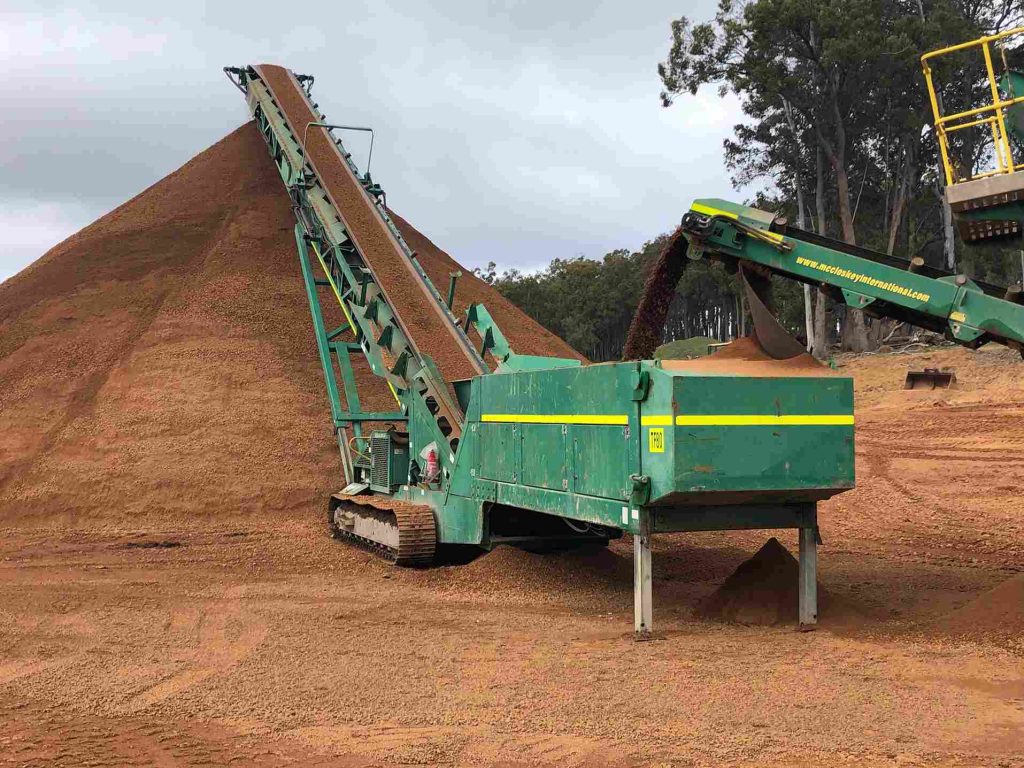
The Role of Fill Sand in Early-Stage Construction
Fill sand is most heavily used during the earliest phases of construction. It supports:
-
Ground leveling and site balancing
-
Building pad preparation
-
Backfilling and trench works
-
Formation layers beneath road base and pavements
Because these activities sit at the start of the project timeline, any disruption to fill sand delivery can cause a cascading delay. Crews, machinery, and follow-on trades often depend on site preparation being completed on schedule. Reliable delivery ensures this critical phase proceeds without interruption.
Why Delivery Reliability Matters More Than Material Alone
It is easy to focus solely on material specifications, but delivery performance often has a greater influence on efficiency than the sand itself.
Preventing Idle Time
When fill sand arrives late or inconsistently, equipment operators and site crews may be forced to wait. Idle time increases labor costs and disrupts carefully planned sequences.
Maintaining Construction Flow
Construction projects rely on momentum. Reliable delivery keeps earthworks, compaction, and subsequent layers moving forward as planned.
Reducing Rehandling and Site Congestion
Well-timed deliveries reduce the need for temporary stockpiling and rehandling, keeping sites safer and more organized.
Fill Sand Delivery as Part of Site Preparation Strategy
Site preparation is not just about placing material; it is about sequencing tasks efficiently. Reliable fill sand delivery allows contractors to plan with confidence.
Coordinated Scheduling
When delivery times are dependable, site managers can align fill placement with compaction schedules, survey checks, and inspections.
Optimized Equipment Use
Earthmoving equipment performs best when material supply is steady. Consistent delivery avoids stop-start operations that increase wear and fuel consumption.
Improved Safety Outcomes
Predictable deliveries reduce congestion and last-minute vehicle movements, contributing to safer site conditions.
Challenges of Unreliable Fill Sand Delivery
Unreliable delivery introduces risks that extend beyond inconvenience.
Project Delays
Even minor delivery disruptions can push critical milestones back, affecting downstream trades and contractual obligations.
Increased Costs
Delays often translate into additional labor, extended equipment hire, and rescheduling expenses.
Quality Risks
Rushed placement to recover lost time can compromise compaction quality and long-term performance.
Regional Considerations Across Western Australia
Western Australia’s scale and diversity make delivery reliability especially important.
Metropolitan Projects
In urban environments, tight access windows and traffic constraints mean deliveries must be precisely timed. Missed slots can result in significant delays.
Regional and Remote Sites
For projects outside major centers, logistics planning is critical. Reliable suppliers with experience in long-distance delivery help maintain consistency even across extended routes.
Weather and Seasonal Factors
Seasonal conditions can affect transport and site access. Proactive delivery planning reduces weather-related disruptions.
The Connection Between Reliable Delivery and Project Efficiency
Efficiency in construction is not just about speed; it is about doing the right work at the right time with minimal waste.
Reduced Downtime
Reliable delivery ensures crews are productive rather than waiting for materials.
Better Resource Allocation
Predictable supply allows managers to allocate labor and machinery more effectively.
Improved Program Certainty
Confidence in material delivery supports more accurate scheduling and forecasting.
Supporting Sustainable Construction Practices
Efficient fill sand delivery also contributes to sustainability goals. Fewer delays and rehandling movements reduce fuel use and emissions. Coordinated delivery minimizes unnecessary transport trips and supports responsible resource use.
Government guidance on sustainable construction and material management in Western Australia is outlined through official resources such as https://www.wa.gov.au, reinforcing the importance of efficient logistics and responsible material supply.
Integration with Construction Materials Supply
Fill sand delivery is most effective when integrated into a broader materials strategy. Coordinated supply of fill sand, aggregates, and road base reduces complexity and improves consistency across site preparation stages.
Using integrated construction material services, such as those available through
https://peelresource.com.au/service/construction-materials-supplies/,
allows projects to benefit from aligned logistics, consistent quality, and simplified coordination.
Planning for Reliable Fill Sand Delivery
Reliability does not happen by chance. It is the result of planning, communication, and experience.
Clear Volume Forecasting
Accurate estimates help ensure supply keeps pace with site requirements.
Staged Delivery Approaches
Breaking deliveries into manageable stages reduces congestion and supports better compaction outcomes.
Communication Between Site and Supplier
Regular coordination allows adjustments to be made before issues arise.
The Impact on Different Project Types
Residential Developments
Reliable fill sand delivery supports rapid site preparation, enabling housing projects to progress efficiently and predictably.
Commercial and Industrial Projects
Large footprints require consistent material flow. Reliable delivery reduces bottlenecks and supports heavy equipment operations.
Infrastructure and Civil Works
Infrastructure projects often span long timelines and multiple stages. Reliable delivery underpins consistent progress and quality control.
Risk Reduction Through Professional Delivery Management
Reliable delivery reduces exposure to:
-
Schedule overruns
-
Cost escalation
-
Quality compromises
By minimizing uncertainty during site preparation, contractors gain greater control over project outcomes.
Long-Term Benefits Beyond Site Preparation
The benefits of reliable fill sand delivery extend well beyond the initial stages of construction.
Stronger Foundations
Consistent placement and compaction improve long-term performance.
Reduced Maintenance Needs
Well-prepared sites are less likely to experience settlement-related issues.
Enhanced Stakeholder Confidence
Predictable progress builds trust among clients, consultants, and regulators.
Future Trends in Bulk Material Delivery
As construction projects become more complex, expectations around delivery performance continue to rise. Digital scheduling tools, improved fleet management, and integrated supply chains are shaping the future of bulk material logistics.
Reliable fill sand delivery is increasingly viewed as a strategic advantage rather than a basic service.
Conclusion
Reliable fill sand delivery plays a pivotal role in enhancing site preparation and overall project efficiency. From reducing downtime and controlling costs to supporting safety and sustainability, dependable delivery transforms fill sand from a simple material into a foundation for success.
Across Western Australia, projects that prioritize delivery reliability gain smoother workflows, stronger outcomes, and greater confidence from start to finish. By integrating fill sand delivery into a well-planned materials strategy, contractors can unlock efficiencies that benefit every stage of construction.
In an industry where time, quality, and coordination matter, reliable fill sand delivery is not a convenience—it is a critical component of project performance.
Related posts:
 Understanding Fill Sand Types and Their Applications from Perth to Augusta
 Fill Sand: Essential Material for Construction and Landscaping in Western Australia
 Why Recycled Road Base is Becoming the Preferred Choice for Civil Construction in WA
 How High-Quality Road Base Enhances Durability in Infrastructure and Commercial Projects
 Reliable Construction Material Supply from Perth to Augusta: Sand, Roadbase, Aggregates