

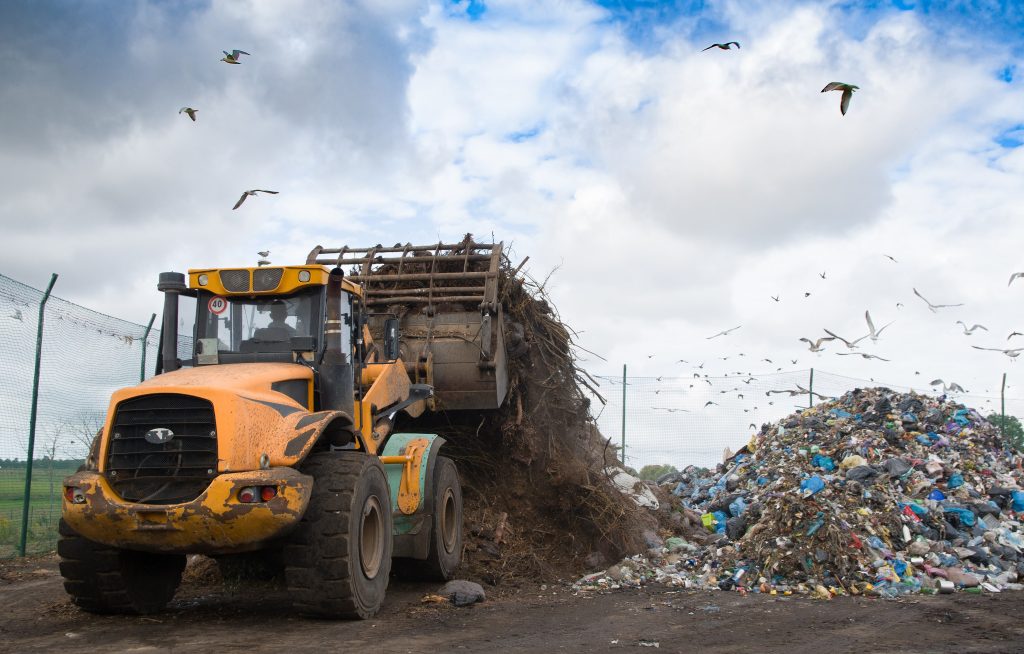
Waste management compliance is no longer a background administrative task for contractors in Western Australia. It is a core operational responsibility that directly affects project approvals, site safety, environmental outcomes, and long-term business viability. With increasingly complex regulations and heightened scrutiny from regulators, contractors across civil, construction, demolition, and infrastructure sectors must clearly understand their obligations and implement compliant waste management systems from day one.
This guide provides a practical, contractor-focused overview of waste management compliance across Western Australia. It explains why compliance matters, what contractors are responsible for, how waste should be handled at each project stage, and how professional waste management services can significantly reduce risk while improving efficiency.
Why Waste Management Compliance Matters in Western Australia
Western Australia has one of the most active construction and infrastructure markets in Australia. Alongside this growth comes an increasing volume of waste, particularly from construction and demolition activities. To manage this responsibly, WA operates under a strong regulatory framework designed to protect public health, land, water resources, and surrounding communities.
For contractors, non-compliance can result in:
-
Project delays or shutdowns
-
Costly fines and remediation orders
-
Reputational damage with clients and regulators
-
Increased insurance and operational risk
On the other hand, compliant waste management supports smoother project delivery, predictable costs, and alignment with sustainability goals increasingly required by government and major private clients.
Understanding the Regulatory Landscape
Waste management compliance in Western Australia is governed by environmental legislation, regulatory authorities, and site-specific approvals. Contractors are expected to understand how their activities interact with these requirements, even when waste handling is outsourced.
At a high level, contractors must ensure:
-
Waste is classified correctly
-
Regulated and hazardous waste is handled lawfully
-
Transport and disposal occur at licensed facilities
-
Records and documentation are accurate and complete
Guidance on environmental responsibilities and waste regulation can be found through official government sources such as https://www.wa.gov.au, which outlines environmental protection and waste governance across the state.
Common Waste Streams Contractors Must Manage
Different projects generate different waste streams, each with distinct compliance requirements. Misclassification is one of the most common compliance failures.
Construction and Demolition Waste
Includes concrete, bricks, asphalt, timber, metals, soils, and mixed rubble. While much of this material can be recycled, it must be separated and processed correctly.
Inert Waste
Clean materials such as uncontaminated soil, rock, and sand. Even inert waste must be disposed of or reused at approved locations.
Regulated and Hazardous Waste
Asbestos-containing materials, contaminated soils, tyres, and certain industrial by-products require licensed handling, transport, and disposal.
General Solid Waste
Packaging, site waste, and non-recyclable materials still require lawful disposal and tracking.
Correct identification at the outset prevents compliance breaches later in the project lifecycle.
Contractor Responsibilities: What You Are Accountable For
A common misconception is that once waste leaves the site, responsibility transfers entirely to the waste contractor. In reality, responsibility is shared.
Contractors remain accountable for:
-
Selecting licensed waste service providers
-
Ensuring waste is sent to approved facilities
-
Preventing illegal dumping or mismanagement
-
Maintaining waste records where required
-
Ensuring subcontractors comply with site waste rules
Failing to verify licences or disposal pathways can expose contractors to enforcement action, even if a third party physically handled the waste.
Waste Management Planning: A Practical Compliance Tool
One of the most effective ways to manage compliance is through a site-specific waste management plan. While not always mandatory, these plans are increasingly expected on commercial, civil, and government projects.
A practical waste management plan should:
-
Identify expected waste types and volumes
-
Define segregation and storage methods on site
-
Outline approved transport and disposal facilities
-
Assign responsibility for waste oversight
-
Include procedures for regulated or hazardous waste
Clear planning reduces confusion, improves site safety, and demonstrates due diligence if compliance is audited.
Segregation and Storage: Where Compliance Often Fails
Poor segregation is a major cause of non-compliance and increased disposal costs. Mixed waste loads are more likely to be rejected or sent to landfill unnecessarily.
Best practices include:
-
Clearly labelled bins for different waste streams
-
Separate storage for regulated materials
-
Weather-protected containment to prevent runoff
-
Routine inspections to maintain segregation integrity
Effective segregation not only supports compliance but also increases recycling rates and resource recovery outcomes.
Transport and Disposal: Licensing Is Critical
All waste transport and disposal in Western Australia must be conducted by licensed operators using approved facilities. Contractors should never assume compliance without verification.
Before engaging a provider, contractors should confirm:
-
Transport vehicles are licensed for the waste type
-
Disposal or processing facilities are authorised
-
Documentation processes are in place
-
Contingency procedures exist for non-conforming waste
Professional waste management providers streamline this process by managing logistics, compliance documentation, and regulatory alignment on behalf of contractors.
The Role of Licensed Waste Management Facilities
Licensed facilities play a crucial role in maintaining compliance across WA’s waste system. These facilities are authorised to receive, process, recycle, or dispose of specific waste types under strict conditions.
Using licensed facilities ensures:
-
Environmental controls are in place
-
Waste is tracked and reported correctly
-
Recycling and diversion targets are supported
-
Contractors meet legal disposal obligations
For contractors seeking compliant waste solutions across Western Australia, professional services such as those outlined at
https://peelresource.com.au/service/waste-management/
provide structured, end-to-end waste handling aligned with regulatory requirements.
Record Keeping and Traceability
Documentation is a critical but often overlooked aspect of waste management compliance. In the event of an audit or investigation, accurate records demonstrate responsible management.
Depending on the waste type, contractors may need to retain:
-
Waste classification information
-
Transport records
-
Disposal confirmations
-
Incident or contamination reports
Maintaining organised records protects contractors from liability and supports transparent project reporting.
Managing Regulated and Hazardous Waste
Hazardous waste presents the highest compliance risk. Materials such as asbestos or contaminated soils require licensed personnel, specialised equipment, and approved disposal pathways.
Key compliance considerations include:
-
Early identification during site investigations
-
Secure containment and isolation on site
-
Engagement of licensed removal and transport teams
-
Strict adherence to handling procedures
Failure to manage hazardous waste correctly can result in severe penalties and long-term environmental consequences.
Environmental and Community Considerations
Waste management compliance is not limited to paperwork. Contractors must also consider how waste activities affect surrounding communities and ecosystems.
This includes:
-
Controlling dust, noise, and odour
-
Preventing runoff and soil contamination
-
Managing truck movements and site access
-
Minimising landfill use through recycling
Proactive environmental management improves community relations and supports sustainable development outcomes.
Why Professional Waste Management Services Reduce Risk
For many contractors, partnering with an experienced waste management provider is the most effective way to ensure compliance while focusing on core construction activities.
Professional services offer:
-
Regulatory knowledge and operational expertise
-
Licensed facilities and transport networks
-
Efficient recycling and resource recovery systems
-
Reduced administrative burden
-
Improved cost predictability
By outsourcing waste management to specialists, contractors gain confidence that compliance obligations are being met consistently throughout the project lifecycle.
Compliance as a Competitive Advantage
In today’s market, waste management compliance is increasingly viewed as a measure of professionalism. Government agencies, infrastructure clients, and major developers are placing greater emphasis on environmental performance and responsible waste practices.
Contractors who demonstrate strong compliance:
-
Improve tender competitiveness
-
Reduce project risk
-
Strengthen stakeholder trust
-
Align with sustainability expectations
Rather than treating compliance as a burden, forward-thinking contractors integrate it into their operational strategy.
Final Thoughts
Waste management compliance across Western Australia requires more than basic disposal arrangements. It demands informed planning, careful execution, licensed partnerships, and ongoing oversight. Contractors who understand their responsibilities and adopt structured waste management systems are better positioned to deliver successful, compliant, and sustainable projects.
As regulatory expectations continue to evolve, practical compliance is not just about meeting minimum standards—it is about protecting your business, your projects, and the environment in which you operate.
If you need additional SEO-optimised articles for Peel Resource Recovery or further topic expansion, I am ready to assist.
Related posts:
 Compliant Waste Management Solutions in Fremantle for Sustainable Communities
Trusted Waste Management and Recycling Services in Mandurah and Rockingham
Western Australia’s Leading Waste Management Company with Over 60 Years of Experience
Compliant Waste Management Solutions in Fremantle for Sustainable Communities
Trusted Waste Management and Recycling Services in Mandurah and Rockingham
Western Australia’s Leading Waste Management Company with Over 60 Years of Experience
 Safe and Sustainable Construction Waste Disposal Services in Perth and Surrounding Areas
 Professional Construction Waste Disposal in Bunbury, Busselton, and Dunsborough