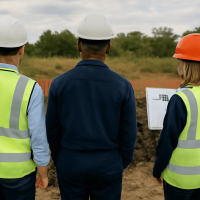


Large-scale construction projects throughout Western Australia’s South West have grown significantly in both volume and complexity. As regional cities expand, infrastructure corridors widen, and resource-driven developments evolve, contractors are pressed to deliver work that is efficient, sustainable, and cost-effective. Within this demanding environment, crushing and screening services have become a critical foundation for project success.
Whether the project involves civil engineering, road development, land preparation, mining support, or commercial infrastructure, large-scale operations require enormous volumes of consistent, high-quality materials. The ability to produce these materials directly on or near the project site unlocks major advantages that traditional sourcing methods simply cannot match.
This article explains why crushing and screening services matter, how they improve project efficiency, and why they are now essential for modern construction practices across WA’s South West.
For professional support, contractors can refer to this internal page:
https://peelresource.com.au/service/screening-and-crushing/
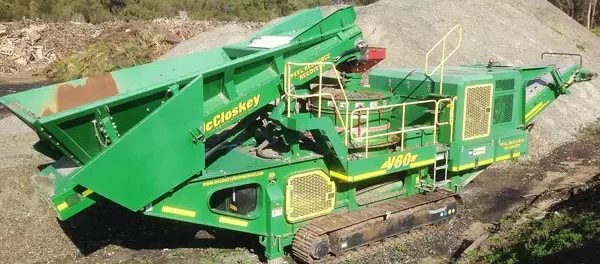
The Strategic Importance of Local Materials Processing in WA’s South West
The South West region of Western Australia combines diverse geological landscapes with a broad mix of urban and industrial development. From Bunbury, Collie, Busselton, and Margaret River to smaller regional townships, major projects often require tens of thousands of tonnes of road base, aggregates, drainage material, engineered fill, and recycled rock.
Transporting such volumes from quarries or distant processing facilities is not only expensive—it places strain on local roads, increases environmental impact, and introduces scheduling risks. This is where crushing and screening services offer significant strategic value.
By processing raw material on-site or within close proximity, contractors can:
• Reduce transportation distances
• Achieve greater control over aggregate production
• Improve schedule predictability
• Support environmentally responsible construction practices
These factors weave crushing and screening into the core planning of large-scale construction initiatives throughout the region.
Meeting the Demands of Large-Scale WA Projects
1. Consistency and Reliability in Material Supply
Large projects face high material consumption rates. Any delay in supply—whether due to transport issues, quarry stock shortages, or logistical constraints—can directly impact project timelines.
Crushing and screening services provide:
• On-demand material availability
• Production that aligns with construction sequencing
• Precise control of product grading and quality
• Reduced dependency on multiple external suppliers
This reliability allows project managers to maintain schedule integrity and minimise downtime.
2. Enhanced Project Efficiency
WA’s South West hosts projects that often operate on tight deadlines linked to seasonal conditions, regional transport constraints, or operational commitments. Mobile and on-site crushing and screening dramatically accelerate project workflows by allowing workers to:
• Produce material the moment site operations begin
• Respond quickly to design or volume changes
• Avoid waiting for transport deliveries
• Eliminate bottlenecks caused by off-site processing
Project phases flow more smoothly when material management is handled internally.
3. Customised Aggregate Production
Different phases of a large project require varying material specifications. Road construction needs precise base course and sub-base. Civil earthworks may require coarse aggregate or stabilised fill. Stormwater installations depend on graded drainage stone.
Crushing and screening services allow teams to customise production to meet these requirements:
• Multiple aggregate types
• Specific grading bands
• Blending and shaping for technical compliance
• Material adjustment as engineering needs evolve
Customisation ensures the materials used not only meet regulatory standards but also enhance structural performance and longevity.
Environmental and Sustainability Advantages
Sustainability has become a central concern across the construction sector. Western Australia continues to strengthen its focus on reducing waste, improving land stewardship, and lowering emissions. National publications such as ABC News Australia—a major and reputable media outlet—regularly report on the growth of environmentally conscious infrastructure and construction practices across the country.
(External link: https://www.abc.net.au)
Crushing and screening services support these goals in several key ways.
1. Reduced Emissions and Lower Fuel Consumption
Transporting bulk materials long distances generates significant fuel usage and carbon output. By producing aggregates near or at the project site, contractors dramatically decrease:
• Heavy vehicle movements
• Fuel consumption
• Transport-related emissions
• Road wear and community disruption
Fewer truck trips mean cleaner, quieter, and more efficient project delivery.
2. Increased Waste Reduction and Material Recycling
Many large projects create substantial volumes of waste rock, concrete, and mixed demolition debris. Sending these materials to landfill is not only costly but environmentally counterproductive.
Crushing and screening allow materials to be repurposed into:
• Recycled road base
• Recycled concrete aggregates
• Drainage materials
• Engineered fill products
This reduces landfill volumes and supports circular construction practices.
3. Responsible Land Use and Reduced Quarry Dependence
Local production minimises demand for new quarry extraction, preserving natural landscapes and reducing the environmental footprint of construction activities.
This approach is particularly valuable in WA’s South West, where natural areas are central to the region’s identity, tourism economy, and community expectations.
Operational Flexibility for Diverse South West Terrain
The South West includes rugged bushland, coastal plains, forested regions, and densely built urban zones. Mobile crushing and screening equipment can be deployed across all of these environments due to its flexibility.
Benefits include:
• Fast mobilisation
• Ease of setup on uneven terrain
• Ability to work in remote or constrained areas
• Minimal supporting infrastructure requirements
• Scalable production for projects of varying size
Whether processing granite near Collie or recycling concrete from urban redevelopment in Bunbury, mobile systems adapt to the project with ease.
How Crushing and Screening Improve Cost Management
Cost overruns are one of the most challenging aspects of large-scale construction. Without strong control over material supply, transport fees, and waste handling, budgets can escalate rapidly.
Crushing and screening help contain costs through:
• Reduced transport expenses
• Lower reliance on external suppliers
• Minimized landfill disposal fees
• Reduced downtime due to supply delays
• Better utilisation of available resources
The ability to transform raw or waste material into usable product reinforces financial efficiency at every stage of the project.
Technical Techniques That Support Successful Material Production
Large infrastructure and civil projects rely on precise material behaviour. Crushing and screening services incorporate several technical practices to ensure consistent, high-performing output.
1. Pre-Processing and Selective Feed Management
Removing contaminants or oversized objects before crushing improves efficiency and protects equipment.
2. Multi-Stage Crushing Systems
Using jaw, cone, or impact crushers in defined combinations produces refined material suited to specific engineering needs.
3. Precision Screening
Advanced screening units separate aggregates into exact size classes, ensuring compliance with design specifications.
4. Closed-Circuit Operation
Reprocessing oversize material enhances efficiency by eliminating waste and refining output.
5. Dust and Noise Management
Effective suppression techniques ensure environmental compliance and minimise community impacts.
These technical methods safeguard both performance and sustainability.
Why Crushing and Screening Professionals Are Essential
Even with efficient machinery, the expertise behind the equipment defines the quality of the result. Skilled operators ensure safe, compliant, and reliable production.
Professionals provide:
• Correct equipment selection for each material type
• Proper load balancing and machine calibration
• Monitoring of output consistency
• Thorough safety governance
• Real-time adjustments to meet engineering requirements
Working with a qualified provider significantly enhances project outcomes.
To learn more about professional support, visit:
https://peelresource.com.au/service/screening-and-crushing/
Real-World Situations Where These Services Are Critical
1. Highway and Transport Infrastructure
Road expansions, upgrades, and new corridor construction require vast quantities of engineered base and sub-base material. On-site production accelerates delivery and ensures uniformity.
2. Large Civil and Industrial Projects
Industrial estates, commercial complexes, and public infrastructure developments demand precise aggregates and continuous supply.
3. Mining and Energy Sector Works
Support roads, processing pads, and rehabilitation projects benefit greatly from flexible, site-specific material production.
4. Coastal and Regional Community Projects
Smaller communities in the South West can significantly reduce costs by relying on mobile crushing and screening instead of distant delivery sources.
The Growing Importance of Sustainable Material Production in WA’s South West
As the South West continues to expand, the need for efficient, sustainable material solutions will only increase. Environmental expectations, regional growth, and economic considerations all point to crushing and screening services becoming even more central to construction operations.
Modern equipment improvements—better fuel efficiency, advanced screening technology, and enhanced mobility—will further strengthen this trend.
Conclusion
Crushing and screening services are indispensable for large-scale projects across Western Australia’s South West. They provide the backbone of material production, improve project efficiency, reduce environmental impact, and support cost control. By enabling on-site processing, reducing waste, and ensuring consistent supply, these services empower contractors to deliver complex regional projects with precision and responsibility.
For large developments aiming to meet demanding performance standards while aligning with sustainability goals, crushing and screening services are not simply an operational option—they are a strategic necessity.
Related posts:
 Crushing and Screening: Essential Processes for Sustainable Construction in Western Australia
 Crushing and Screening Explained: Key Techniques Every Contractor Should Know
The Essential Role of Crushing and Screening in Modern Resource Recovery
Crushing and Screening Explained: Key Techniques Every Contractor Should Know
The Essential Role of Crushing and Screening in Modern Resource Recovery
 How Modern Crushing and Screening Boost Efficiency for Projects Across Western Australia
The Role of Mobile Crushing and Screening in Sustainable Construction Materials Production
How Modern Crushing and Screening Boost Efficiency for Projects Across Western Australia
The Role of Mobile Crushing and Screening in Sustainable Construction Materials Production