


Fill sand is one of the most widely used construction materials in Western Australia, yet it is often misunderstood or treated as a generic commodity. In reality, different fill sand types perform very different roles depending on ground conditions, load requirements, drainage needs, and project scale. Selecting the right fill sand can mean the difference between a stable, long-lasting structure and ongoing issues with settlement, erosion, or poor compaction.
From metropolitan developments in Perth to regional projects along the South West corridor toward Augusta, fill sand plays a critical role in residential, commercial, and infrastructure construction. This guide explains the main fill sand types, how they are applied, and why understanding their properties is essential for successful project outcomes across Western Australia.
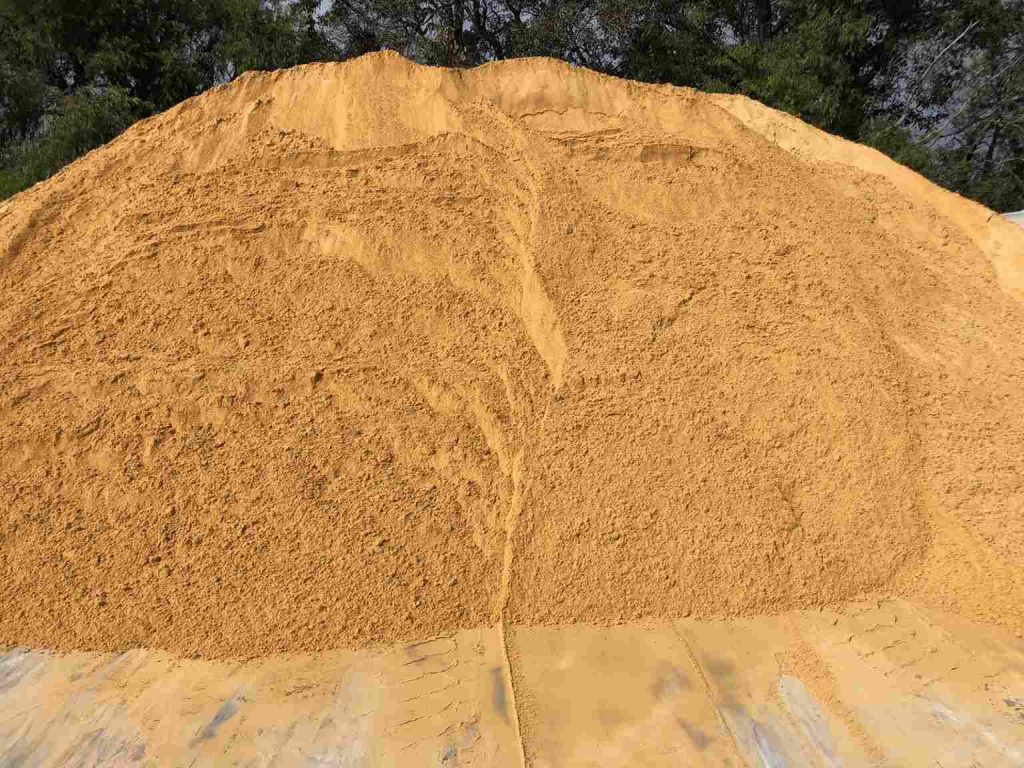
What Is Fill Sand and Why It Matters
Fill sand is generally used to raise ground levels, provide a stable base, or backfill excavated areas. Unlike decorative or specialty sands, fill sand is chosen primarily for its structural behavior rather than appearance.
Its importance lies in how it interacts with:
-
The underlying soil or subgrade
-
Surface layers such as road base or concrete
-
Environmental factors including moisture and drainage
When fill sand is poorly matched to site conditions, problems such as uneven settlement and water retention can occur. When properly selected, it creates a reliable platform for long-term performance.
Key Factors That Define Fill Sand Performance
Before looking at specific types, it is important to understand the characteristics that influence how fill sand behaves in construction environments.
Particle Size Distribution
Fill sand typically contains fine to medium particles. The balance between fines and coarser grains affects compaction, drainage, and load transfer.
Moisture Sensitivity
Some sands drain freely, while others retain moisture. This property directly influences stability and suitability for different applications.
Compaction Characteristics
Good fill sand compacts evenly under mechanical effort, reducing the risk of voids and post-construction settlement.
Compatibility with Other Materials
Fill sand must work in conjunction with road base, aggregates, or structural layers placed above it.
Common Fill Sand Types Used in Western Australia
Clean Fill Sand
Clean fill sand contains minimal clay or organic material. It is valued for predictable compaction and relatively good drainage.
Typical applications include:
-
Building pad preparation
-
Backfilling around foundations
-
Leveling uneven ground
In Perth’s urban developments, clean fill sand is commonly used where controlled settlement and consistent performance are required.
General Fill Sand
General fill sand may contain a broader range of particle sizes and some fines. While still suitable for many applications, it requires careful placement and compaction control.
Common uses include:
-
Bulk earthworks
-
Site leveling for non-structural areas
-
Landscaping preparation
In larger regional projects closer to Augusta, general fill sand is often used to manage elevation changes across extensive sites.
Sandy Fill with Fines
This type of fill sand contains higher levels of fine particles. While it can compact well, drainage may be slower compared to cleaner sands.
Applications often include:
-
Areas where moisture control is managed
-
Non-load-bearing fills
-
Transitional layers under controlled conditions
Understanding moisture behavior is particularly important when using this material in coastal or higher rainfall zones.
Fill Sand Applications Across Project Types
Residential Construction
In residential developments, fill sand is used to establish building platforms and achieve required finished floor levels. The right fill sand minimizes post-construction movement that could affect slabs, walls, and services.
In Perth’s expanding suburbs, consistent fill sand selection supports efficient housing construction while reducing long-term maintenance risks.
Commercial and Industrial Developments
Commercial sites often require large volumes of fill sand to prepare expansive hardstands, car parks, and building pads. Load distribution and uniform compaction are essential to support heavy traffic and equipment.
High-quality fill sand improves the performance of overlying road base and pavement layers.
Infrastructure and Civil Projects
Infrastructure projects such as access roads, embankments, and utility corridors rely on fill sand for shaping and stabilization. In regional areas between Perth and Augusta, fill sand selection must account for variable soil conditions and environmental exposure.
Durable fill sand supports long-term infrastructure reliability and reduces maintenance demands.
Regional Considerations: Perth to Augusta
Western Australia’s geography presents a wide range of construction environments. Fill sand that performs well in one area may not be ideal in another.
Metropolitan Perth
Perth’s sandy soils often allow for good drainage, but variations in compaction behavior mean that fill sand quality still matters. Clean, well-graded fill sand helps achieve consistent results in dense urban developments.
South West and Coastal Areas
Moving south toward Augusta, higher rainfall and different soil profiles require closer attention to moisture behavior. Fill sand used in these areas must balance compaction with drainage to avoid water-related instability.
Regional and Semi-Rural Projects
In less developed areas, logistics and material availability play a role in fill sand selection. Reliable suppliers help ensure consistent quality even when projects are located further from metropolitan processing facilities.
The Role of Sustainable Material Sourcing
Fill sand is increasingly sourced and managed with sustainability in mind. Responsible material supply supports reduced environmental impact and aligns with broader waste reduction goals.
Government guidance on sustainable construction and resource management in Western Australia is available through official platforms such as https://www.wa.gov.au, reinforcing the importance of responsible material use across the industry.
Integration with Construction Material Supply
Fill sand rarely functions alone. It works as part of a system that includes road base, aggregates, and other construction materials. Coordinated supply improves project efficiency and quality control.
Integrated construction material services, such as those offered through
https://peelresource.com.au/service/construction-materials-supplies/,
support consistent outcomes by ensuring materials are compatible and delivered to specification.
Quality Control and Placement Practices
Even high-quality fill sand can underperform if placed incorrectly. Best practice involves:
-
Layered placement
-
Controlled moisture content
-
Proper compaction methods
These practices ensure that fill sand achieves its intended performance characteristics.
Reducing Risk Through Proper Fill Sand Selection
Selecting the right fill sand reduces risks associated with:
-
Differential settlement
-
Drainage failures
-
Structural movement
This risk reduction is particularly valuable in large-scale developments where remediation costs can be significant.
Long-Term Performance and Cost Efficiency
While fill sand is often viewed as a basic material, its influence on lifecycle performance is substantial. Well-selected and properly placed fill sand reduces the likelihood of future repairs and supports the durability of overlying structures.
Over time, this translates into:
-
Lower maintenance costs
-
Improved asset performance
-
Greater confidence in project outcomes
Future Trends in Fill Sand Use
As construction standards evolve, fill sand selection is becoming more data-driven. Increased testing, better processing methods, and integrated supply chains are improving consistency and performance across the industry.
Sustainable sourcing and efficient logistics are also shaping how fill sand is produced and delivered across Western Australia.
Conclusion
Understanding fill sand types and their applications is essential for successful construction projects from Perth to Augusta. Far from being a one-size-fits-all material, fill sand plays a foundational role in stability, durability, and long-term performance.
By selecting appropriate fill sand based on site conditions, project requirements, and environmental factors, builders and developers can reduce risk, improve efficiency, and create structures that stand the test of time. When combined with responsible sourcing and integrated material supply, fill sand becomes a strategic asset rather than a simple commodity.
Strong projects start from the ground up, and informed fill sand selection is a critical first step in building with confidence across Western Australia.
Related posts:
 Fill Sand: Essential Material for Construction and Landscaping in Western Australia
 How Reliable Fill Sand Delivery Enhances Site Preparation and Project Efficiency
 Road Base: The Foundation of Sustainable Infrastructure in Western Australia
 Why Recycled Road Base is Becoming the Preferred Choice for Civil Construction in WA
 How High-Quality Road Base Enhances Durability in Infrastructure and Commercial Projects