
Sustainability has evolved from a secondary consideration into a central principle guiding construction projects across Western Australia. As public and private sectors push to minimise waste, reduce emissions, and optimise material use, one technology continues to play a critical role: mobile crushing and screening. Once viewed mainly as a practical way to process material on remote sites, mobile systems are now fundamental to sustainable construction materials production.
Across WA—from Perth’s expanding suburbs to regional infrastructure corridors—contractors are seeking dependable, efficient, and environmentally responsible solutions for generating aggregates, repurposing excavation material, and recycling demolition waste. Mobile crushing and screening provide a versatile, high-performance answer to these needs, enabling contractors to process material directly on-site while eliminating unnecessary haulage, reducing carbon output, and supporting circular economy initiatives.
This article explores how mobile systems contribute to sustainability, how they work, and why they are now essential for modern construction strategies.
For professional services related to this process, you may refer to the internal page:
https://peelresource.com.au/service/screening-and-crushing/

Why Sustainability Matters in WA Construction
Western Australia’s construction sector faces increasing pressure to adopt environmentally responsible practices. Population growth, major infrastructure investment, and mining-related industrial needs all drive demand for enormous volumes of aggregates and engineered fill. At the same time, the state continues to prioritise waste reduction, land preservation, and resource conservation.
Government and industry reports—including those covered by ABC News Australia, a major national media outlet—regularly highlight the need for greener construction methods and improved waste management across the country.
(External link: https://www.abc.net.au)
Reducing environmental impacts does not simply fulfill regulatory requirements; it also leads to performance improvements, cost efficiency, and more responsible land use. Mobile crushing and screening occupy the intersection of practicality and sustainability, providing WA projects with a balanced solution.
Understanding Mobile Crushing and Screening
Mobile crushing and screening refer to fully transportable systems that allow contractors to process raw materials, rock, and demolition debris directly on-site. These units typically include:
• Mobile crushers – jaw, cone, or impact types
• Mobile screening plants – designed to sort materials into predefined sizes
• Stackers or conveyors – assisting in material movement and stockpiling
Unlike fixed facilities, mobile units can be positioned close to the source material. This eliminates the need for high-volume material transportation and reduces both time and cost, which directly supports sustainable outcomes.
How Mobile Crushing and Screening Support Sustainable Material Production
1. Reducing Transport Emissions and Fuel Consumption
Transportation is one of the largest contributors to carbon output on construction projects. Moving raw materials from quarries or fixed processing plants to the jobsite often requires multiple heavy truck trips.
Mobile systems cut this impact by:
• Processing materials at or near the excavation location
• Reducing vehicle movements
• Lowering diesel usage
• Minimising road wear and community disruption
Every avoided truck journey significantly reduces emissions, supporting WA’s broader environmental objectives.
2. Enabling On-Site Recycling
Sustainability is strongly supported when contractors avoid sending materials to landfill. Mobile crushing and screening allow excavated rock, concrete, brick, and mixed demolition waste to be repurposed into valuable aggregates.
This offers multiple benefits:
• Raw materials stay within the project
• Waste volumes decrease
• High-quality recycled aggregates reduce dependence on quarry supply
• Landfill costs and environmental impact decline
Recycling practices align perfectly with circular economy models increasingly adopted across Australia.
3. Improving Land Use Efficiency
Traditional material management often requires dedicated stockpile zones, long-term storage areas, or support yards far from the worksite. Mobile systems enable efficient on-site processing, reducing the need for extensive land use.
For projects in regional or constrained areas, this is especially valuable. Contractors can operate within tight boundaries while still producing consistent, specification-compliant materials.
4. Supporting Environmental Compliance
Western Australian guidelines emphasise responsible environmental management on construction sites, including dust suppression, noise control, and waste minimisation. Mobile systems support compliance through:
• Reduced haulage (less dust and noise from heavy trucks)
• Centralised on-site processing zones
• Lower waste volumes
• Better oversight and quality control
When operators incorporate water sprays, sound barriers, and proper stockpile management, mobile systems achieve strong environmental performance compared to traditional approaches.
Operational Advantages Beyond Sustainability
While sustainability is crucial, contractors also benefit from increased efficiency, productivity, and cost control.
1. Faster Project Delivery
Transport delays, stock shortages, and supply chain disruptions can significantly impact timelines. Mobile crushing and screening maintain a continuous supply of material, enabling:
• Immediate availability
• Rapid response to changing project requirements
• Elimination of long wait times for external deliveries
This keeps construction schedules on track.
2. High Material Flexibility
Mobile systems can produce:
• Road base
• Drainage aggregates
• Screened sand
• Crushed rock
• Recycled concrete products
• Fine and coarse materials based on design specifications
Contractors gain full control over production volumes and particle grading, ensuring consistency across all phases of the construction process.
3. Reduced Costs Through On-Site Processing
Cost savings come from:
• Fewer truck trips
• Lower external supply reliance
• Reduced landfill disposal fees
• Efficient labour allocation
Mobile crushing and screening ultimately reduce the total lifecycle cost of material management.
Key Techniques Used in Modern Mobile Crushing and Screening
To maximise sustainability and performance, contractors implement several core technical practices.
1. Material Pre-Sorting and Scalping
Before materials reach the crusher, oversized debris or impurities are removed. This reduces machine wear, saves energy, and ensures clean feedstock for efficient processing.
2. Multi-Stage Crushing
Using jaw, cone, and impact crushers in sequence allows for fine control over final product size. Multi-stage crushing also improves aggregate shape and density, which is critical for sustainable pavement and foundation performance.
3. Precise Screening
Mobile screening plants separate materials into accurate size categories. This ensures that each product meets project specifications and avoids wasteful reprocessing.
4. Closed-Circuit Processing
Recycling oversize material back through the system increases efficiency and conserves resources. Nothing is wasted unless required by design.
5. Dust and Noise Control
Operators deploy suppression systems, enclosure methods, and strategic equipment positioning to minimise environmental disruption. These practices align with WA worksite standards.
The Role of Professionals in Delivering Sustainable Processing Outcomes
Not all contractors have the equipment or expertise to manage crushing and screening independently. Skilled providers ensure:
• Proper equipment selection for site conditions
• Efficient, safe, and compliant operations
• Consistent material output
• High safety standards
• Transparent communication and reporting
Choosing the right partner is essential to achieving both sustainability goals and operational efficiency.
To learn more about how these services can support WA projects, visit the internal service page:
https://peelresource.com.au/service/screening-and-crushing/
Case-Type Scenarios That Show the Value of Mobile Systems
Below are common WA project situations where mobile crushing and screening deliver sustainable outcomes.
Road Construction and Maintenance
Road projects often require large volumes of base and sub-base materials. Mobile processing allows contractors to generate high-quality aggregates directly from on-site rock or recycled pavement.
Urban Redevelopment
Redevelopment areas typically contain mixed demolition waste. Mobile units sort and crush materials immediately, turning rubble into useable product and dramatically reducing landfill usage.
Regional Infrastructure
Remote WA sites benefit greatly from on-location processing because long-distance material transport is both costly and environmentally challenging.
Mining Support Works
Mobile crushing and screening help mining contractors process overburden, prepare haul roads, and support site rehabilitation using local materials.
How Mobile Crushing and Screening Support the Circular Economy
A circular economy emphasises keeping materials in use for as long as possible. Mobile systems directly align with this principle by:
• Turning waste into new construction resources
• Extending the life of natural aggregates
• Reducing extraction pressure on quarries
• Minimising disposal needs
• Encouraging long-term resource efficiency
This approach enhances sustainability while supporting modern construction standards.
The Future of Sustainable Material Production in WA
As WA continues investing in major infrastructure—including transportation networks, industrial developments, and urban expansion—demand for processed materials will remain high. Mobile crushing and screening are poised to become even more important as:
• Environmental expectations rise
• Recycling targets grow
• Project schedules tighten
• Transport costs increase
Advanced equipment, better screening technology, and more energy-efficient crushers will further improve outcomes, helping contractors build responsibly and efficiently.
Conclusion
Mobile crushing and screening have evolved far beyond basic on-site convenience. They now form the backbone of sustainable construction materials production across Western Australia. By reducing emissions, minimising waste, enabling recycling, and improving operational efficiency, mobile systems play a vital role in building long-lasting, environmentally responsible infrastructure.
For contractors aiming to meet today’s demanding sustainability requirements while maintaining strong performance and cost control, mobile crushing and screening represent an essential solution. With professional support and the right operational techniques, WA projects can continue to grow in a way that protects resources, reduces environmental impacts, and creates stronger foundations for the future.
Related posts:
 Understanding Crushing and Screening: A Practical Guide for WA Construction Projects
 Why PRR is the Go-To Choice for Crushing and Screening in Western Australia
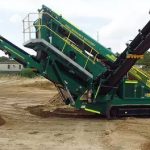 Crushing and Screening: Essential Processes for Sustainable Construction in Western Australia
Expert Crushing and Screening Solutions in Fremantle to Maximise Resource Recovery
Crushing and Screening Explained: Key Techniques Every Contractor Should Know
Crushing and Screening: Essential Processes for Sustainable Construction in Western Australia
Expert Crushing and Screening Solutions in Fremantle to Maximise Resource Recovery
Crushing and Screening Explained: Key Techniques Every Contractor Should Know