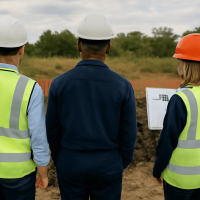


Crushing and screening have become core operational processes in Western Australia’s construction, civil works, and infrastructure sectors. From the dense urban projects around Perth to the coastal and regional developments extending down to Augusta, contractors face increasing pressure to deliver high-quality materials while controlling operational costs. Professional crushing and screening services offer an efficient solution that meets both performance and budget expectations, especially for large-scale work where consistency, compliance, and sustainable material use are essential.
This article explores how expert crushing and screening operations improve material quality, enhance workflow efficiency, support environmental responsibility, and generate substantial cost savings across WA’s South West corridor. It also explains why more contractors rely on specialised service providers rather than managing this complex task in-house.
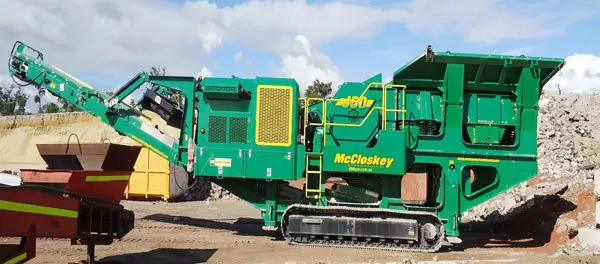
1. The Unique Demands of Projects Between Perth and Augusta
Construction activity between Perth and Augusta spans a diverse range of conditions and terrain. Urban works require strict quality standards, while regional projects often operate at greater distance from quarries, recycling centres, and suppliers. This geographical spread intensifies the need for:
-
Reliable material supply
-
Cost-effective onsite processing
-
Consistent product grading
-
Reduced transport dependencies
Professional crushing and screening services address these challenges by ensuring materials are processed efficiently and locally, reducing delays and maintaining quality control across the project lifecycle.
2. Why Crushing and Screening Are Critical for Material Quality
Crushing and screening form the foundational steps in producing construction aggregates. Whether converting blasted rock, recycled concrete, limestone, or mixed rubble into specific grades, the process determines the performance of the final material.
Key quality benefits include:
a. Precise Material Sizing
Accurate screening ensures materials meet required specifications for applications such as road base, drainage layers, embankments, or structural fill.
b. Consistency Across Production
Professional operators maintain calibrated equipment and quality checks that remove variability, guaranteeing the same output from batch to batch.
c. Removal of Contaminants
Screening efficiently eliminates fines, oversized particles, and unwanted debris—improving structural reliability and compliance with WA construction standards.
d. Enhanced Compaction Performance
Properly crushed and graded materials compact more effectively, reducing future settlement risks and minimising rework.
By integrating these advantages, contractors avoid the pitfalls of uneven aggregate, delayed approvals, or costly material failures.
3. Cost Savings Delivered by Professional Services
Cost efficiency is one of the most significant drivers behind the rising demand for professional crushing and screening. For projects spanning Perth to Augusta—where logistics, labour, and fuel can account for large portions of the budget—these services provide measurable financial benefits.
a. Reduced Transport Expenses
Onsite crushing significantly decreases the need to haul raw materials to processing facilities or bring processed materials back to site.
This results in major savings on:
-
Fuel
-
Trucking hours
-
Road use charges
-
Time lost to travel
b. Lower Material Procurement Costs
By turning onsite or local materials into usable aggregates, contractors avoid premium pricing from commercial quarries.
c. Minimised Waste Disposal Fees
Instead of paying to dump concrete, rock, or excavation waste, material can be repurposed into valuable aggregates.
d. Efficiency Gains Through Fast Processing
Mobile crushing and screening setups work quickly, reducing project timelines and labour requirements.
e. Avoidance of Equipment Investment
Owning, maintaining, staffing, and transporting heavy processing machinery incurs substantial long-term costs. Outsourcing avoids these expenses entirely.
These savings combine to provide a competitive advantage, particularly for large infrastructure or long-distance regional projects.
4. Mobile Crushing and Screening: A Game Changer for WA
Mobile equipment has reshaped the industry by bringing processing power directly to the project site. This is especially beneficial across the extended Perth–Augusta region, where distances can stretch supply chains.
Key strengths of mobile operations include:
-
Rapid setup and redeployment
-
Ability to work in confined or remote areas
-
On-demand production capacity
-
Reduced downtime
-
Flexibility to meet evolving project needs
This adaptability allows contractors to maintain a continuous workflow and adjust production as specifications change, something fixed facilities cannot match.
5. Supporting WA’s Sustainability Goals
The Western Australian construction sector continues to shift toward more sustainable resource management. Professional crushing and screening align with this direction by increasing the use of recycled materials and minimising waste.
Reprocessing concrete, brick, asphalt, and rubble contributes to:
-
Lower landfill volumes
-
Reduced extraction of natural aggregates
-
Decreased emissions from transportation
-
Alignment with environmental guidelines from the WA Department of Water and Environmental Regulation (DWER), which can be accessed at https://www.wa.gov.au.
These sustainable practices not only meet compliance expectations but also enhance the environmental profile of construction projects—a growing priority for government tenders and private developers.
6. When Contractors Should Engage Professional Service Providers
Contractors across WA typically bring in crushing and screening specialists when they require:
-
High-volume aggregate production
-
Precise grading for engineered applications
-
Large areas of excavation waste needing processing
-
Mobile capabilities for remote or multi-site projects
-
Certified, compliant output for regulated works
Professional operators also ensure full adherence to safety and environmental requirements, reducing the administrative burden on contractors.
For detailed service descriptions and capabilities, contractors can reference the internal page at:
https://peelresource.com.au/service/screening-and-crushing/
7. Benefits for Projects From Perth Down to Augusta
Whether working on urban infrastructure, civil upgrades, private developments, or resource operations, contractors in WA’s South West benefit from the following:
a. Reliable Aggregate Supply
Localised production eliminates shortages and delays, ensuring smoother project timelines.
b. Greater Control Over Material Quality
Onsite testing and screening maintain strict performance standards.
c. Enhanced Cost Predictability
Processing materials onsite provides clear cost visibility, even for long-term or multi-phase projects.
d. Reduced Environmental Footprint
Less transport means fewer emissions and lower site disturbance.
e. Streamlined Workflow
Having a mobile processing capability reduces dependency on third-party suppliers and shortens the chain of operations.
These advantages are particularly valuable for public works, coastal erosion control, road upgrades, commercial site preparations, and resource sector developments.
8. Final Thoughts: Efficiency, Quality, and Savings Through Expert Services
Professional crushing and screening services provide a strategic advantage to contractors operating anywhere from Perth to Augusta. By delivering superior material quality, lowering costs, and improving sustainability outcomes, these services are central to successful project execution across Western Australia’s diverse construction landscape.
Contractors seeking to improve performance, reduce delays, and enhance material reliability will find that partnering with an experienced crushing and screening provider yields immediate and long-term value. With growing demand for sustainable and efficient resource use, these services will continue to play an essential role in WA’s construction and infrastructure future.
Related posts:
 Understanding Crushing and Screening: A Practical Guide for WA Construction Projects
 Crushing and Screening Explained: Key Techniques Every Contractor Should Know
The Essential Role of Crushing and Screening in Modern Resource Recovery
Crushing and Screening Explained: Key Techniques Every Contractor Should Know
The Essential Role of Crushing and Screening in Modern Resource Recovery
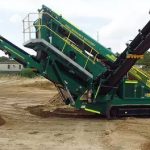 Crushing and Screening: Essential Processes for Sustainable Construction in Western Australia
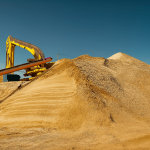 How Modern Crushing and Screening Boost Efficiency for Projects Across Western Australia