

Civil construction in Western Australia is evolving. As infrastructure projects expand across metropolitan, regional, and remote areas, the industry is under increasing pressure to deliver durable outcomes while reducing environmental impact and controlling costs. One material that has gained strong momentum in recent years is recycled road base.
Once viewed as an alternative product, recycled road base is now widely recognised as a reliable, high-performing, and sustainable solution for civil construction projects across WA. From local road upgrades to large-scale infrastructure works, contractors and project managers are increasingly choosing recycled road base over traditional virgin materials.
This article explores why recycled road base is becoming the preferred choice for civil construction in Western Australia, examining its performance, environmental benefits, regulatory alignment, and practical advantages for modern projects.
Understanding Road Base in Civil Construction
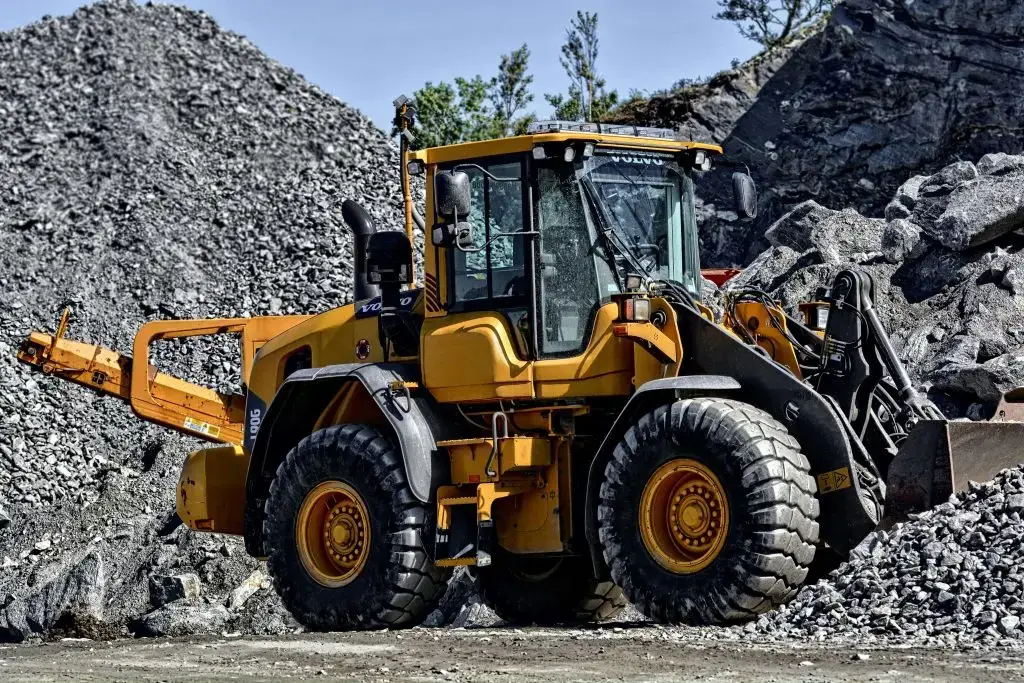
Road base is a foundational material used beneath pavements, roads, hardstands, and other civil structures. Its primary role is to distribute loads, provide stability, and support long-term durability of the surface above.
Traditionally, road base has been produced from quarried virgin aggregates. While effective, this approach relies heavily on finite natural resources and generates significant environmental impacts through extraction and transport.
Recycled road base offers a different approach—one that aligns with modern construction priorities.
What Is Recycled Road Base?
Recycled road base is produced by processing construction and demolition materials such as concrete, bricks, and masonry. Through controlled crushing and screening processes, these materials are transformed into a consistent aggregate suitable for use in civil construction.
When produced correctly, recycled road base meets the functional requirements expected of traditional materials while offering additional sustainability benefits.
Performance That Meets Civil Construction Demands
One of the key reasons recycled road base is gaining acceptance is its proven performance in real-world applications. Modern processing techniques ensure that recycled materials deliver the strength, compaction, and stability required for civil projects.
Recycled road base performs effectively in:
-
Road and pavement sub-bases
-
Hardstands and access roads
-
Industrial yards and laydown areas
-
Infrastructure and utility corridors
Consistent grading and controlled production allow recycled road base to meet project specifications and engineering expectations.
Cost Efficiency Without Compromising Quality
Civil construction projects operate under constant cost pressures. Recycled road base provides a practical way to manage material costs without sacrificing performance.
Cost efficiency is achieved through:
-
Reduced reliance on virgin quarry materials
-
Lower transport distances when sourced locally
-
Efficient use of materials recovered from construction waste
These factors contribute to more predictable material supply and improved budget control across project lifecycles.
Supporting Sustainability Goals in WA Construction
Sustainability is no longer optional in Western Australia’s construction sector. Government agencies, developers, and communities increasingly expect projects to demonstrate responsible resource use.
Recycled road base directly supports sustainability goals by:
-
Reducing landfill volumes
-
Conserving natural aggregates
-
Lowering the environmental footprint of construction
By turning waste into usable construction material, recycled road base embodies the principles of resource recovery and circular economy thinking.
Alignment With Circular Economy Principles
The circular economy focuses on keeping materials in use for as long as possible, extracting maximum value before recovery and reuse. Recycled road base is a clear example of this approach in action.
Construction and demolition materials that would otherwise be discarded are processed and returned to the supply chain, supporting a more resilient and sustainable construction industry in WA.
Official information on waste reduction and resource recovery initiatives can be found through government platforms such as https://www.wa.gov.au, which outline environmental and sustainability priorities across Western Australia.
Consistency Through Modern Processing
Advancements in crushing and screening technology have significantly improved the quality and consistency of recycled road base. Modern facilities are capable of producing materials with reliable grading and performance characteristics.
This consistency allows engineers and contractors to specify recycled road base with confidence, knowing it will perform as required on site.
Environmental Benefits Beyond Recycling
The environmental advantages of recycled road base extend beyond waste diversion. By reducing the need for new quarrying activities, recycled materials help protect landscapes, ecosystems, and local communities.
Additional environmental benefits include:
-
Reduced energy use compared to virgin material extraction
-
Lower greenhouse gas emissions from shorter transport distances
-
Less disruption to natural environments
These benefits align strongly with WA’s broader environmental objectives.
Regulatory Acceptance and Industry Confidence
Recycled road base is increasingly recognised and accepted within regulatory and engineering frameworks. As confidence in recycled materials grows, their use becomes more common across public and private projects.
This acceptance reflects the maturity of recycling processes and the demonstrated performance of recycled aggregates in civil construction applications.
Reliability for Large-Scale Civil Projects
Large civil projects demand consistent supply and predictable performance. Recycled road base meets these requirements by offering:
-
Reliable availability
-
Scalable production
-
Consistent material quality
This reliability makes recycled road base suitable for both small works and major infrastructure developments.
Reducing Construction Waste Across WA
Construction and demolition activities generate significant waste volumes. Recycling this material into road base reduces pressure on landfill facilities and supports more efficient waste management practices.
By choosing recycled road base, contractors actively contribute to waste reduction while sourcing a practical construction material.
Local Supply and Reduced Transport Impacts
Western Australia’s size means transport distances can significantly influence project costs and environmental impact. Locally produced recycled road base reduces the need for long-haul transport from distant quarries.
Local sourcing supports:
-
Faster delivery
-
Reduced fuel consumption
-
Improved project scheduling
These advantages are particularly valuable for regional and remote projects.
Versatility Across Civil Applications
Recycled road base is versatile and adaptable to a wide range of civil construction uses. Its flexibility allows it to be specified for various load conditions and project types.
This versatility makes it an attractive option for contractors seeking practical, multi-purpose materials.
Supporting Responsible Procurement Decisions
Choosing recycled road base reflects a responsible procurement approach. It demonstrates consideration for environmental impact, resource efficiency, and long-term sustainability.
For organisations working on government or community-facing projects, these considerations can be particularly important.
Integration With Broader Material Supply Solutions
Recycled road base often forms part of a broader construction materials supply strategy. When combined with recycled aggregates and clean fill materials, it supports efficient and sustainable project delivery.
Professional supply services, including recycled road base and aggregates, are available through providers such as:
https://peelresource.com.au/service/construction-materials-supplies/
Integrated material solutions simplify logistics and support consistent quality across projects.
Building Industry Confidence Through Experience
As more projects successfully use recycled road base, industry confidence continues to grow. Positive outcomes reinforce trust in recycled materials and encourage wider adoption across WA.
This growing confidence is driving a shift in how civil construction materials are specified and sourced.
Future Trends in WA Civil Construction
Looking ahead, recycled materials are expected to play an even greater role in WA’s civil construction sector. As sustainability requirements tighten and resource availability becomes more constrained, recycled road base will remain a practical and forward-looking solution.
Contractors who adopt recycled materials early position themselves as leaders in responsible construction practices.
Conclusion
Recycled road base is becoming the preferred choice for civil construction in Western Australia for good reason. It delivers reliable performance, supports sustainability goals, reduces waste, and offers cost-effective solutions for modern projects.
As the industry continues to evolve, recycled road base represents a practical balance between performance and responsibility. For civil construction projects seeking durable outcomes with reduced environmental impact, recycled road base is no longer an alternative—it is a smart, future-ready choice.
Related posts:
 Reliable Construction Material Supply from Perth to Augusta: Sand, Roadbase, Aggregates
Partnering with PRR: Trusted Construction Material Supplier for Major Projects
Reliable Construction Material Supply from Perth to Augusta: Sand, Roadbase, Aggregates
Partnering with PRR: Trusted Construction Material Supplier for Major Projects
 Road Base: The Foundation of Sustainable Infrastructure in Western Australia
 Fill Sand: Essential Material for Construction and Landscaping in Western Australia
 Sustainable Road Base and Fill Sand Solutions Across Western Australia