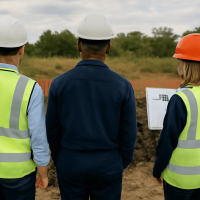


Road base is one of the most critical yet often underestimated components in civil construction. In Western Australia, where infrastructure projects must perform across varied climates, soil conditions, and load demands, selecting the right road base material is essential for durability, safety, and long-term cost control.
This technical guide provides a comprehensive overview of road base types, specifications, and applications commonly used in Western Australia. It is designed to support contractors, engineers, and project managers who need practical, reliable knowledge to make informed material decisions without unnecessary complexity.
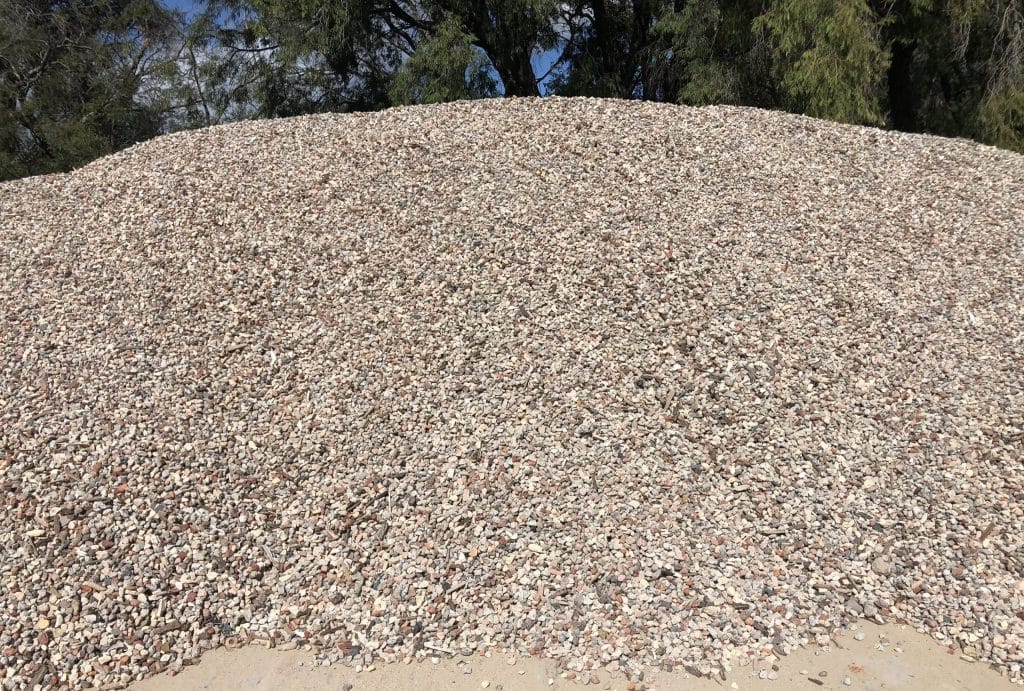
The Role of Road Base in Pavement Structures
Road base sits directly beneath the surface layer of a pavement, such as asphalt or concrete. Its primary function is to distribute traffic loads evenly to the subgrade while maintaining structural integrity over time.
In WA civil construction, road base must address several challenges:
-
Heavy vehicle traffic, particularly in industrial and resource-related areas
-
Variable subgrade conditions, including sandy soils and clay-rich regions
-
Exposure to moisture, temperature fluctuations, and long-term wear
A well-selected and correctly installed road base is essential to prevent premature pavement failure.
Key Performance Requirements for Road Base in WA
Regardless of type, road base materials used in Western Australia must satisfy several core performance criteria:
-
Adequate load-bearing capacity
-
Good compaction characteristics
-
Resistance to deformation under traffic loads
-
Stability when exposed to moisture
Meeting these requirements ensures pavements remain serviceable throughout their design life.
Common Road Base Types Used in Western Australia
Crushed Limestone Road Base
Crushed limestone is widely used across WA due to its availability and predictable performance. It offers good compaction and is commonly applied in light to medium traffic applications.
This material is often used in:
-
Local roads
-
Driveways
-
Hardstands
-
Rural access routes
Its popularity stems from its balance of performance and ease of use.
Crushed Rock Road Base
Crushed rock road base is typically sourced from harder rock formations and provides higher strength characteristics. It is suitable for projects requiring increased load resistance.
Applications include:
-
Industrial pavements
-
Heavily trafficked roads
-
Commercial access areas
Crushed rock offers excellent durability when properly compacted.
Gravel and Natural Road Base
Natural gravel road base is still used in certain regional and remote areas of Western Australia. While it may not provide the same consistency as processed materials, it can be suitable for low-volume roads.
This option is generally selected where material availability and logistics influence design decisions.
Recycled Road Base
Recycled road base has become increasingly prominent in WA civil construction. Produced from processed construction and demolition materials, it offers reliable performance while supporting sustainability goals.
Modern recycled road base can meet engineering requirements for many applications, including:
-
Sub-bases for roads and pavements
-
Hardstands and laydown areas
-
Industrial access roads
Its growing acceptance reflects improvements in processing and quality control.
Understanding Road Base Specifications
Specifications define the technical requirements a road base must meet before it can be used in a project. In Western Australia, specifications typically address:
-
Particle size distribution
-
Plasticity characteristics
-
Compaction performance
-
Moisture sensitivity
Compliance with specifications ensures the road base performs as intended once installed.
Grading and Particle Distribution
Grading refers to the distribution of particle sizes within a road base material. A well-graded material compacts efficiently and provides stable load distribution.
Poor grading can lead to:
-
Reduced compaction
-
Increased voids
-
Premature pavement distress
Consistent grading is therefore a key indicator of material quality.
Compaction and Density Requirements
Proper compaction is critical to achieving the designed strength of a road base. Inadequate compaction can compromise pavement performance regardless of material quality.
In WA projects, compaction requirements are typically defined as a percentage of maximum dry density, ensuring uniform support across the pavement structure.
Moisture Sensitivity and Drainage
Road base materials must perform under varying moisture conditions. Excess moisture can reduce strength and lead to deformation.
Design considerations often include:
-
Material selection with suitable moisture tolerance
-
Proper drainage design
-
Correct placement and compaction practices
These factors are particularly important in areas with seasonal rainfall.
Applications of Road Base in WA Civil Construction
Urban and Suburban Roads
In metropolitan areas, road base supports pavements subjected to frequent traffic loading. Material consistency and compaction quality are essential to maintain ride quality and safety.
Both crushed limestone and recycled road base are commonly used, depending on project requirements.
Industrial and Commercial Pavements
Industrial pavements often experience heavy vehicle loads and static loading. Higher-strength road base materials are required to prevent rutting and deformation.
Crushed rock and well-processed recycled road base are frequently specified for these environments.
Rural and Regional Access Roads
In regional WA, road base selection is often influenced by material availability and transport distances. Practical solutions that balance performance and logistics are essential.
Gravel and locally sourced materials may be used where appropriate, supported by suitable maintenance strategies.
Hardstands and Laydown Areas
Hardstands require stable foundations capable of supporting stationary loads. Road base materials must resist settlement and maintain surface integrity over time.
Recycled road base is increasingly used in these applications due to its strength and sustainability benefits.
The Growing Role of Recycled Road Base
Recycled road base aligns with WA’s broader resource recovery and waste reduction objectives. By reprocessing construction materials, it reduces landfill demand and conserves natural aggregates.
Government guidance on sustainability and waste management can be found through official resources such as https://www.wa.gov.au, which outlines environmental priorities across the state.
As regulatory acceptance increases, recycled road base continues to gain traction in both public and private projects.
Quality Control in Road Base Supply
Consistent quality is essential for predictable performance. Reliable suppliers implement quality control processes to ensure materials meet specified requirements.
Quality considerations include:
-
Controlled crushing and screening
-
Regular material testing
-
Clear documentation of material properties
These practices reduce construction risk and support successful project delivery.
Selecting the Right Road Base for Your Project
Choosing the correct road base involves balancing technical, environmental, and logistical factors. Key considerations include:
-
Traffic loading requirements
-
Subgrade conditions
-
Environmental exposure
-
Availability of materials
Early engagement with material suppliers can help align specifications with practical supply options.
Integration With Broader Construction Materials Supply
Road base is rarely used in isolation. It forms part of an integrated materials strategy that may include aggregates, sand, and fill materials.
Comprehensive construction material solutions are available through providers such as:
https://peelresource.com.au/service/construction-materials-supplies/
Integrated supply supports efficiency, consistency, and project coordination.
Sustainability and Long-Term Value
Modern civil construction places increasing emphasis on sustainability and life-cycle performance. Road base selection plays a significant role in achieving these objectives.
Recycled materials, in particular, support responsible procurement while delivering reliable technical performance.
Future Trends in Road Base Use in WA
As infrastructure demands grow and environmental considerations become more prominent, road base materials will continue to evolve. Improved processing technologies and clearer specifications are expected to further enhance the role of recycled road base.
Contractors who understand these trends are better positioned to deliver resilient, compliant, and sustainable projects.
Conclusion
Road base selection is a foundational decision in civil construction, with long-term implications for performance, maintenance, and sustainability. In Western Australia, a range of road base types—crushed limestone, crushed rock, gravel, and recycled materials—are available to meet diverse project needs.
By understanding specifications, applications, and material characteristics, project teams can make informed decisions that support durable outcomes. As WA’s construction sector continues to evolve, road base materials will remain central to building infrastructure that performs reliably today and into the future.
Related posts:
 Why Recycled Road Base is Becoming the Preferred Choice for Civil Construction in WA
 Sustainable Road Base and Fill Sand Solutions Across Western Australia
 Reliable Construction Material Supply from Perth to Augusta: Sand, Roadbase, Aggregates
 Road Base: The Foundation of Sustainable Infrastructure in Western Australia
 Fill Sand: Essential Material for Construction and Landscaping in Western Australia